
Optimal Timing for Accurate Gradings
Gradings are an essential part of many industries, including construction, agriculture, and manufacturing. The timing of these assessments can significantly impact their accuracy and effectiveness. Understanding the optimal periods for conducting gradings ensures that results are reliable and that processes align with operational schedules.
Gradings performed during stable weather conditions tend to produce more consistent results. For example, in agriculture, late spring or early fall are ideal for soil and crop gradings.
Aligning gradings with equipment downtime or project phases minimizes disruptions and allows for timely adjustments.
Certain industries require gradings to be completed within specific periods to meet compliance standards and avoid penalties.
Timing gradings to coincide with market cycles can optimize product quality assessments and inventory planning.
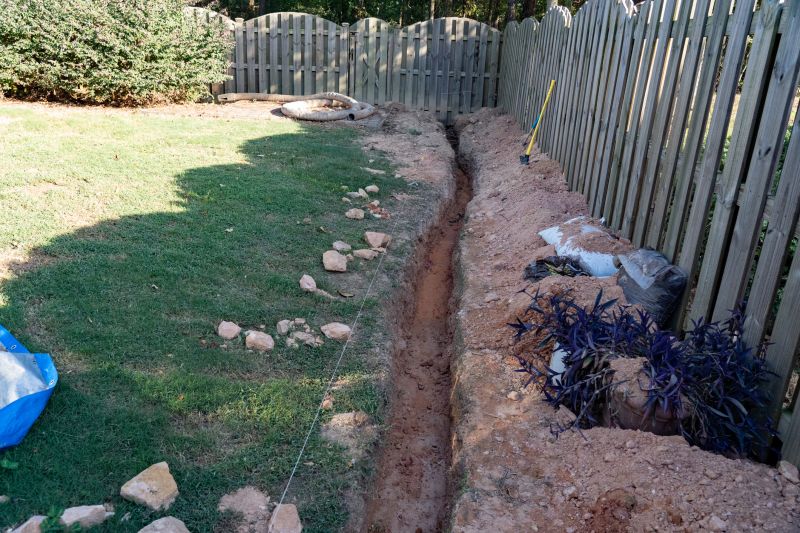
Ways to make Gradings work in tight or awkward layouts.
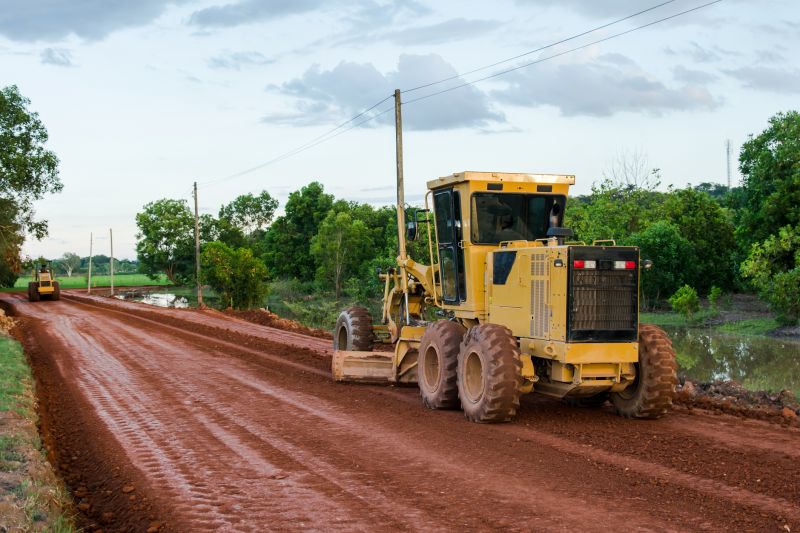
Popular materials for Gradings and why they hold up over time.
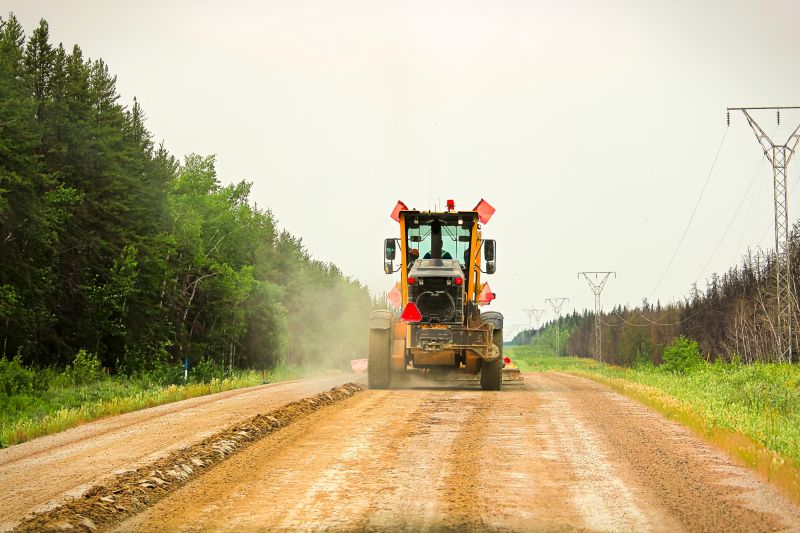
Simple add-ons that improve Gradings without blowing the budget.

High-end options that actually feel worth it for Gradings.

Finishes and colors that play nicely with Gradings.

Little measurements that prevent headaches on Gradings day.
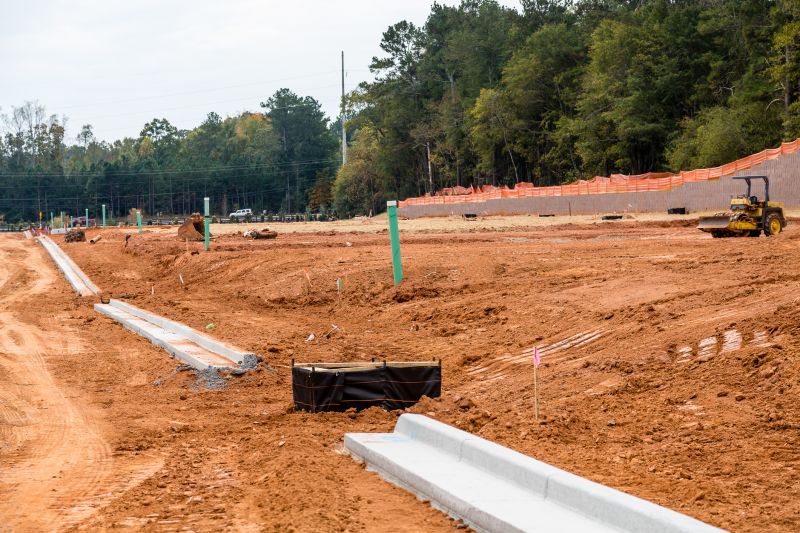
A 60-second routine that keeps Gradings looking new.

A frequent mistake in Gradings and how to dodge it.
| Factor | Optimal Timing |
|---|---|
| Weather Conditions | Dry, stable weather periods |
| Industry Standards | As specified by regulations |
| Operational Cycles | Align with project phases |
| Market Cycles | Prior to peak demand |
| Environmental Stability | Avoid periods of extreme weather |
| Crop Growth Stages | During specific growth phases |
| Equipment Availability | When maintenance is scheduled |
| Soil Moisture Levels | When soil is adequately moist |
Gradings are crucial for assessing quality, safety, and compliance across various industries. Proper timing ensures that data collected accurately reflects current conditions, aiding in decision-making and operational planning. In agriculture, for instance, soil gradings during optimal moisture levels help determine planting strategies. Construction projects benefit from site gradings performed during periods of minimal weather interference, reducing delays and ensuring precision.
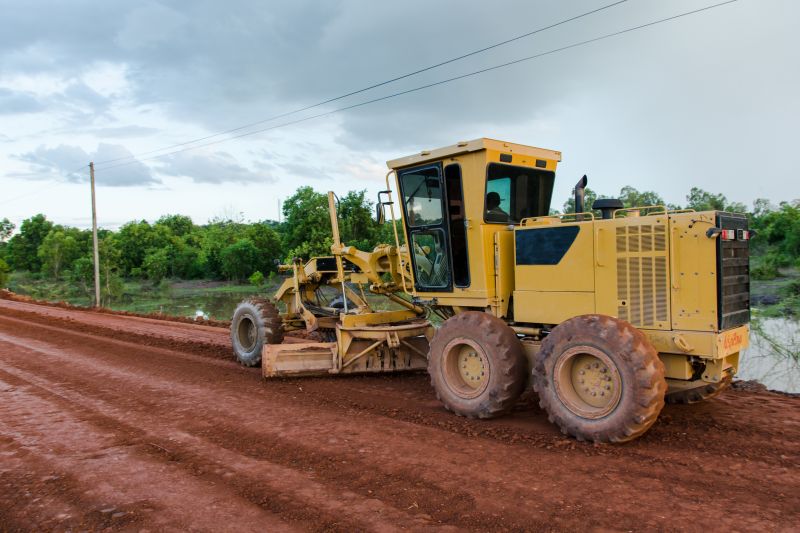
Small tweaks to make Gradings safer and easier to use.
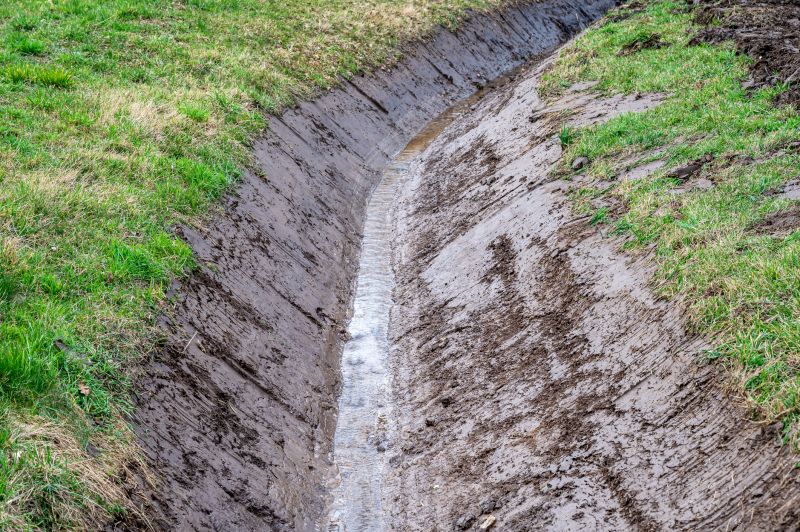
Lower-waste or water-saving choices for Gradings.
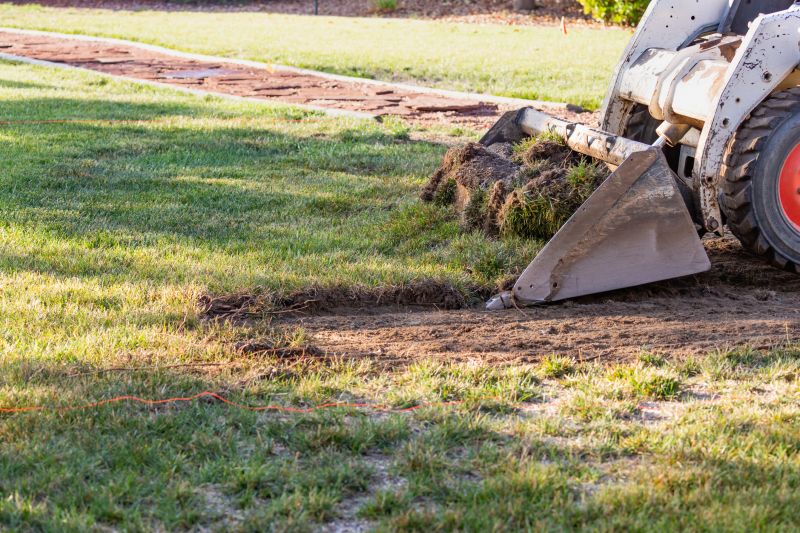
The short, realistic tool list for quality Gradings.
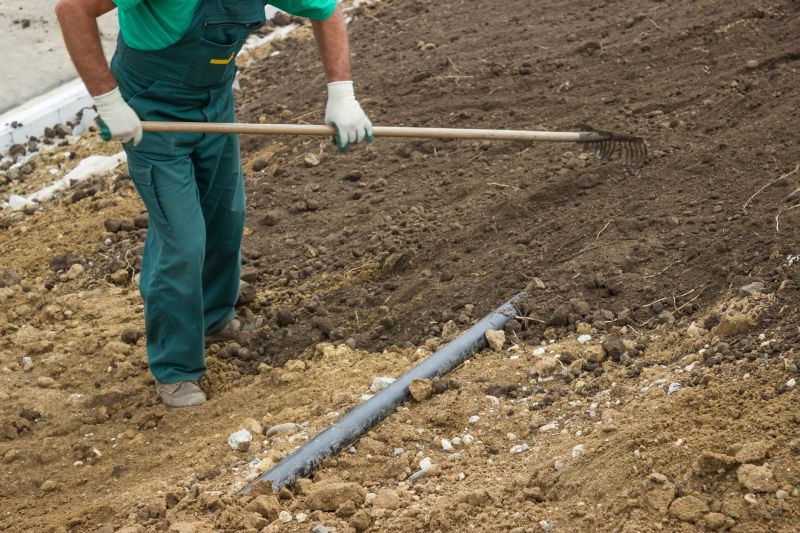
Rough timing from prep to clean-up for Gradings.
Choosing the right time for gradings can enhance accuracy and operational efficiency. Factors such as seasonal weather patterns, industry-specific requirements, and project timelines should be considered. Proper planning ensures that gradings provide meaningful insights, support regulatory compliance, and optimize resource allocation.
Interested parties are encouraged to contact for further guidance on scheduling gradings to suit specific needs and conditions. Proper timing can lead to better results and more informed decision-making in various industries.